

Damp Proofing

Request quotes for damp surveys, rising and penetrating damp, condensation, mould and woodworm. Choose your job and describe it in a few short steps.
Powered by
Get free damp and timber quotes
You decide whether to hire anyone. Privacy policy
Your details are sent over an encrypted connection.
Hire with confidence: Checkatrade says its members must pass up to 12 checks, and their work can be covered by its Guarantee, up to £1,000. Eligibility and T&Cs apply.

Overview
Damp proofing and timber treatment
This page covers damp and timber problems: damp surveys and investigations, rising and penetrating damp, condensation and mould, structural waterproofing, and timber treatment for dry rot and woodworm.
Pick the nearest job from the list in the form. If yours isn't there, choose the closest and explain what you need in the description.
Jobs you can request
Typical damp and timber jobs
Choose one of these in the form, or pick the closest and describe what you need.

Damp Survey
An inspection to find where damp is coming from and what is causing it.
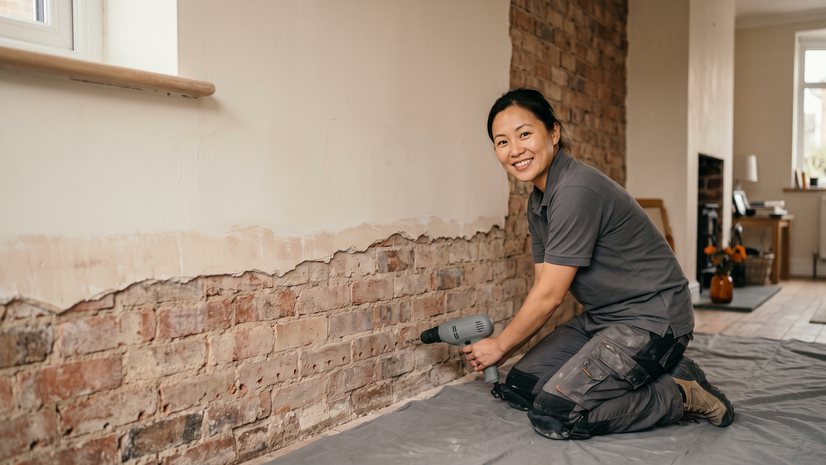
Rising Damp
Damp rising up walls from the ground treated, such as with a damp-proof course.
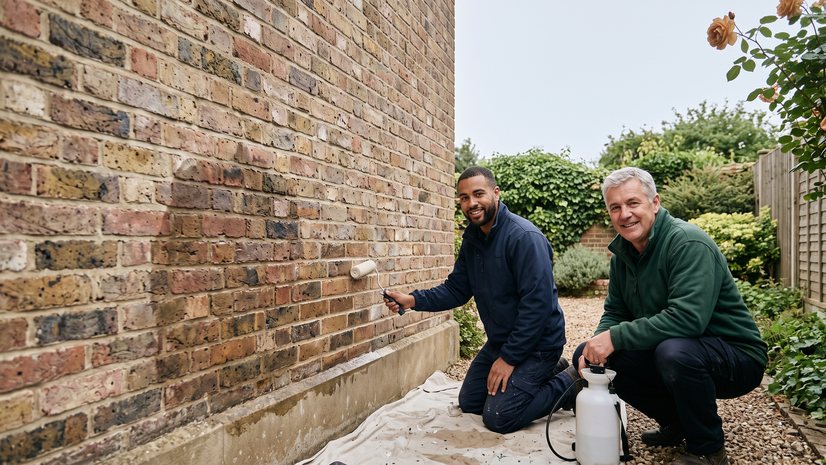
Penetrating Damp Treatment
Damp getting in through walls, roofs or around windows traced and treated.

Condensation Control
Condensation on windows and walls reduced, such as with better ventilation.
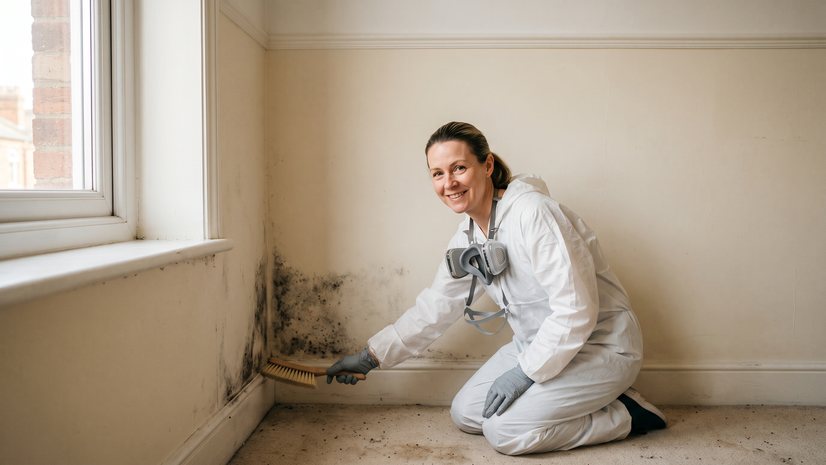
Mould Control
Mould cleared from walls, ceilings or window frames, and its cause dealt with.

Woodworm Treatment
Timber attacked by woodworm treated, such as floorboards, joists or rafters.
Worth knowing
Worth checking before work starts
A few rules and checks that apply to this kind of work.
Rented homes
If you let a home in England, the law says it must not have any 'category 1' hazards, the highest level of risk. These can include damp and mould.
Bats and timber treatment
In England, bats and their roosts are protected by law. Chemical treatments cannot be used in or close to a known roost while bats are present, and householders should ask the bat advice helpline first.
Find the cause
Ask what is causing the damp before any treatment. A leaking gutter, ground built up against a wall or blocked vents can be the cause, and fixing it may be part of the job.
Questions
Damp and timber questions
My job isn't in the list. What should I choose?
Choose the closest job, then explain what you need in the description step.
What jobs can I request quotes for here?
Damp surveys and investigations, rising and penetrating damp, condensation, mould, structural waterproofing, dry rot, woodworm and other timber treatment. The full list is in the form's first step.
Which job do I choose if I don't know what is causing the damp?
Choose Damp Survey or Damp Investigation, and describe what you have seen and where in the description.
Can I request quotes to waterproof a basement or cellar?
Yes. Choose Structural Water Proofing and describe the space in the description.
What is the difference between dry rot and wet rot?
Both are fungi that rot damp timber. Wet rot stays where the wood is wet, but dry rot can spread across masonry to reach other timber. Either way, the cause of the damp needs fixing as well as the wood.
How can I tell if I have woodworm?
Look for small round holes in timber, often with fine dust below them. Fresh, pale holes and dust suggest it may still be active. Choose Woodworm Treatment and say where you have seen it.
What causes condensation and mould?
Moist air from cooking, washing and drying clothes settling on cold surfaces. Better ventilation and heating often help. A damp surveyor can check whether a leak or other damp is adding to it: choose Condensation Control or Mould Control.
Ready to describe your job?
Four short steps: the job, when you'd like it done, a description and your details.